

It’s May! With the end of the school year drawing near, many of us are thinking about summertime adventures. Maybe your plans are to return to favorite spaces and beloved faces. Maybe you’re planning explorations into new environs. Our birthday authors this month have produced some very well-known works, but that’s not all they wrote! Check out their highlighted, lesser-known writings that may take you to unknown places. Whether you pick a book that’s already dear to your heart or one that takes you on a new adventure, enjoy your reading (or listening — audiobooks are a great option for a summer car trip)!
Some of these are children’s books. You might find one you remember from your youth. Try introducing it to a young friend or family member and enjoying it together or relish it again all by yourself. Catalog Search Hints: You can search by Title or Author, or limit your results by Age Group. Also, if you’re unsure about the audience for a given book, keep an eye on the call number. For Juvenile literature, it’ll start with a “J” or an “E.”
All of the items listed are available through Rogers Public Library. Click the picture to visit the catalog and put items that interest you on hold for library pick-up or access them directly through Overdrive/Libby.
 Susan Cooper – born May 23, 1935 in Buckinghamshire, England
Journalist, novelist, playwright, scriptwriter, known for ‘The Dark is Rising’ sequence
Influences: Welsh and English folklore/myth, WWII childhood, family roots in (and summer trips to) Wales
Cooper began her writing career in journalism while at Oxford University. After moving to the U.S., she expanded into children’s novels, and later, into plays and scripts for TV movies. Her writing for children ranges from high fantasy referencing King Arthur and the Mabinogion to historical novels—some realistic, others with a little fantasy thrown in. The books below are rated 10-12+ years.
- (1965) Over Sea, Under Stone – a children’s adventure story set in Cornwall into which magic kept creeping
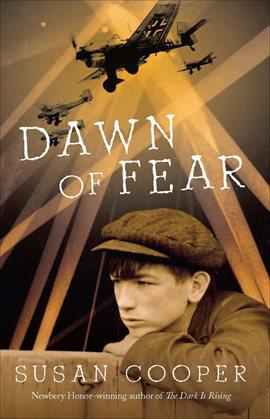
- (1970) Dawn of Fear – a child comes to new understanding of war living in WWII London
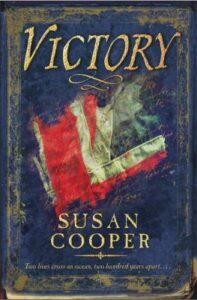
- (2006) Victory – Molly and Sam learn to cope through difficult challenges two centuries and an ocean apart
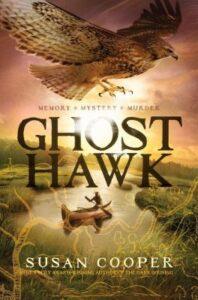
- (2013) Ghost Hawk – Little Hawk and John Wakeley, both in 1600s Massachusetts, culturally divided, connected by their humanity (realistic and unflinching)

Sources:
Proquest Learning: Literature — Susan Cooper
The Lost Land of Susan Cooper, interview
Historical Novel Society review of Dawn of Fear
 J. M. Barrie: born May 9, 1860 in Kirriemuir, Forfarshire, Scotland
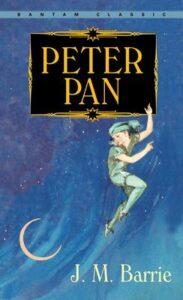
Playwright, Author, known for the play Peter Pan
Influences: Robert Louis Stevenson; the Llewelyn Davies family; the death of his older brother, David, age 13
Barrie was chiefly a playwright. He also wrote novels and non-fiction. His plays are often childlike, though his audience was not children, per se. His best-known play, Peter Pan, has always appealed to the younger set.
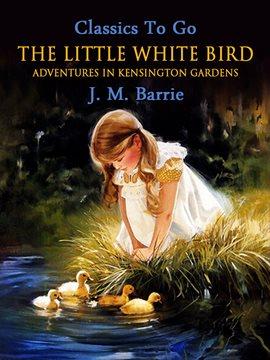
- (1902) The Little White Bird – A novel set in Kensington Garden wherein we first meet Peter Pan
- (1904) Peter Pan – a story about a boy who wouldn’t grow up
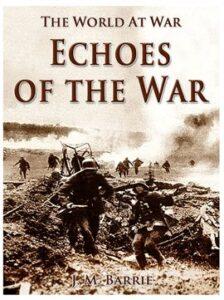
- (1918) Echoes of the War – a play made up of four short stories set on the home front during WWI
- (1924) Mary Rose – a ghost story (play) set in the Hebrides that Hitchcock wanted to make into a movie

Sources:
Proquest Learning: Literature — J. M. Barrie
National Trust for Scotland J. M. Barrie bio
 Daphne du Maurier – born May 13, 1907 in London, England
Novelist, Did NOT write for children, Known for Rebecca
Influences: Cornwall, Gothic literature, The Brontes, Gerald du Maurier (Daphne’s father)
Du Maurier wrote gothic romances, historical sagas, and fiction that plumbed the depths of the human psyche. Her work is dark, atmospheric, and often melodramatic, it’s not surprising several of them have been recreated on film. Alfred Hitchcock adapted three of her stories: Rebecca, Jamaica Inn, and The Birds.
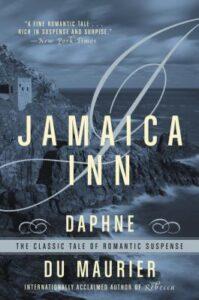
- (1936) Jamaica Inn – an orphan is forced into a distasteful life on the Cornish moors until she figures out who to trust
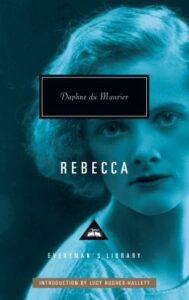
- (1938) Rebecca – A second wife must battle the specter of the first in a Cornish house with its own menacing character
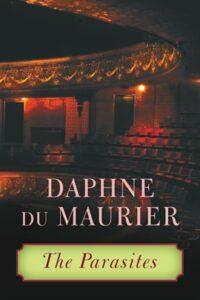
- (1949) The Parasites – Odd family relationships, twisted and entangled, blended with a sense of the ridiculous
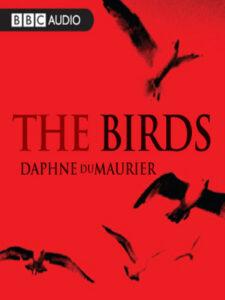
- (1952) The Birds – Not all horror stars a guy with a weapon; sometimes the villain is just nature gone terribly awry
Sources:
Proquest Learning: Literature — Daphne Du Maurier
 Arthur Conan Doyle – May 22, 1859 in Edinburgh, Scotland
Novelist and short story writer (and doctor/surgeon), known for Sherlock Holmes
Influences: Medical practice, Spiritualism, Dr. Joseph Bell, Edgar Allan Poe
Conan Doyle wrote 300+ novels & short stories of all genres as well as 1200+ non-fiction works from essays to interviews, poems to pamphlets on many subjects. His discomfort with the overshadowing popularity of Sherlock Holmes drove him to kill the detective in “The Final Problem.” “The Lost World” may sound familiar and rightly so. It inspired a modern writer named Michael Crichton.
- (1889) The Firm of Girdlestone – cynicism and business failure lead a father and son to unethical practices, and worse
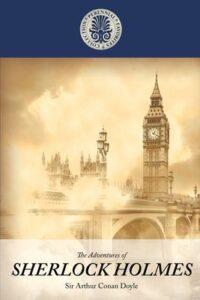
- (1892) The Adventures of Sherlock Holmes – had to include one example of Conan Doyle’s most famous creation
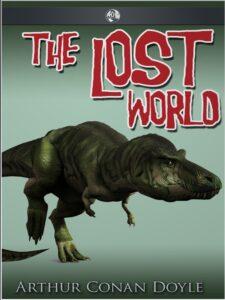
- (1911) The Lost World – Sci-fi novel in which dinosaurs are discovered in South America
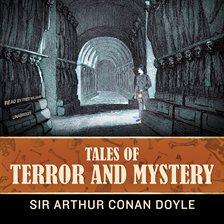
- (1922) Tales of Terror and Mystery – Non-Sherlockian stories of the macabre and the enigmatic
Sources:
Proquest Learning: Literature — Arthur Conan Doyle
Arthur Conan Doyle.com Complete Works List