
Today I wanted to go over something that, if you have used the library catalog for any length of time, you have probably run into (maybe not without even realizing it): subject headings. Subject headings are what they sound like, terms used to describe the subject of a book (or movie or game), in other words, what a work is about. In the catalog record for any given item in our library, the subject headings look like this:
| 650 | 0 | a | Criminal defense lawyers |
| v | Fiction. | ||
| 650 | 0 | a | Murder |
| v | Fiction. | ||
| 650 | 0 | a | Suspects (Criminal investigation) |
| v | Fiction. | ||
| 650 | 0 | a | Reputation |
| v | Fiction. | ||
| 650 | 0 | a | Trials (Murder) |
| v | Fiction. | ||
| 651 | 0 | a | Biloxi (Miss.) |
| v | Fiction. | ||
| 655 | 7 | a | Legal fiction (Literature) |
| 2 | lcgft | ||
| 655 | 7 | a | Thrillers (Fiction) |
| 2 | lcgft |
Headings from the record for James Patterson’s The #1 Lawyer.
It is worth pointing out that while practically anything can be a subject heading, when librarians use the word subject heading, they usually mean authorized subject heading. Authorized here means it’s the official term that’s supposed to be entered into the record in one of these fields. For the Rogers Public Library and many other libraries in the United States, these subject headings come from a database run by the Library of Congress called the Library of Congress Headings, commonly shortened to LCSH. The idea is that if every item about, say, Murder trials–or Trials (Murder)–has the same subject heading, it’s easy to locate all of them, but if one record says “Murder trials” and another “Homicide trials” then some will slip through the crack and library users might miss things they would otherwise be interested in.
Subject headings are really great in theory, but they do have one problem, which is that the authorized form might not be the words that ordinary people tend to use in day-to-day conversations. As an example, if you wanted to search for books about Latinos, you would need to type Hispanic Americans into the search bar instead. There are other examples of this phenomenon, of course–unsurprising, given that LCSH has more than 500,000 entries at the time of writing.
I should note that most of the time when you search our catalog, you aren’t doing a subject search per se, but rather a keyword search, just by default–so why bother with subject headings at all? One of the major reasons is that when you are doing a keyword search, you are relying on natural-language terms (i.e., not authorized terms, but rather words we would use in casual conversation) that may vary wildly between records. Keyword searches can also be a mixed blessing because they don’t necessarily distinguish context the same way that subject searches do–maybe the term you’re searching for, like “witches”, shows up in the summary, even though the book isn’t about witches at all. Doing a subject search helps eliminate false-positives from the results; in library-speak, it increases search precision.
That said, you don’t necessarily need to bookmark LCSH and study them every night like flashcards in order to become a search whiz. In fact, our online library catalog actually streamlines subject searches through the “Similar” tab. 
Switching to the Similar tab not only lists books about the same topic, but also lets you click on individual subject headings in order to start a new search immediately. 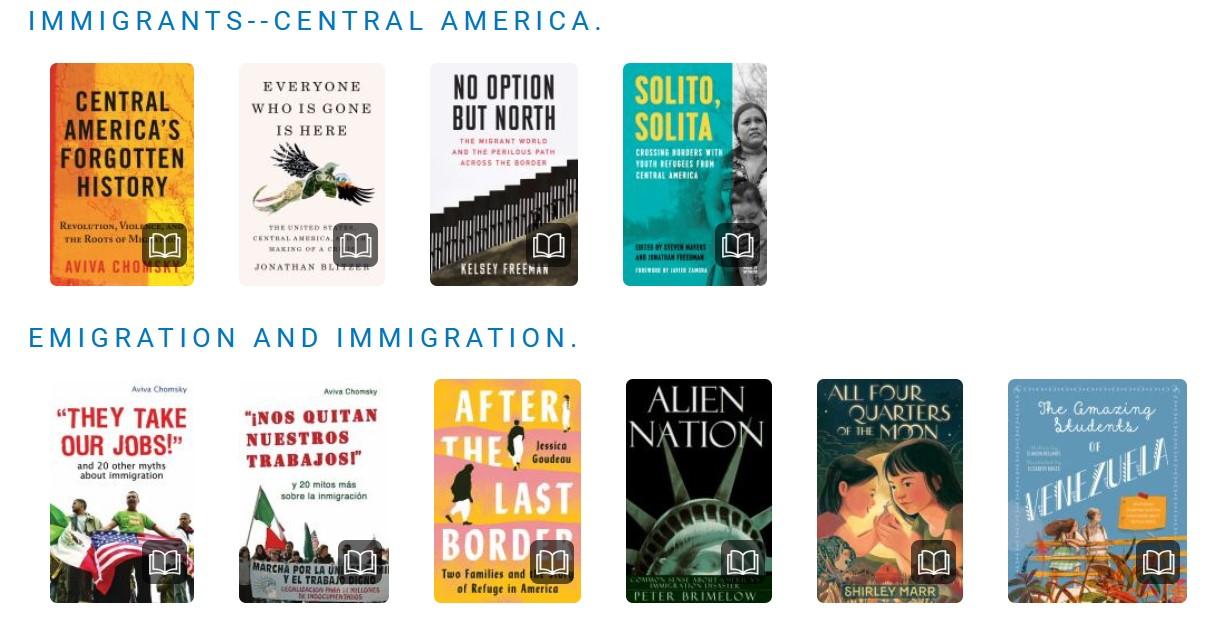
Additionally, every time you do a new search in the catalog, a helpful banner below the search bar gives suggested search terms that include both subject headings as well as name access points–these are similar to subject headings in that they come from a database maintained by the Library of Congress, but consist solely of names of people (both real and fictitious), places, and corporate bodies.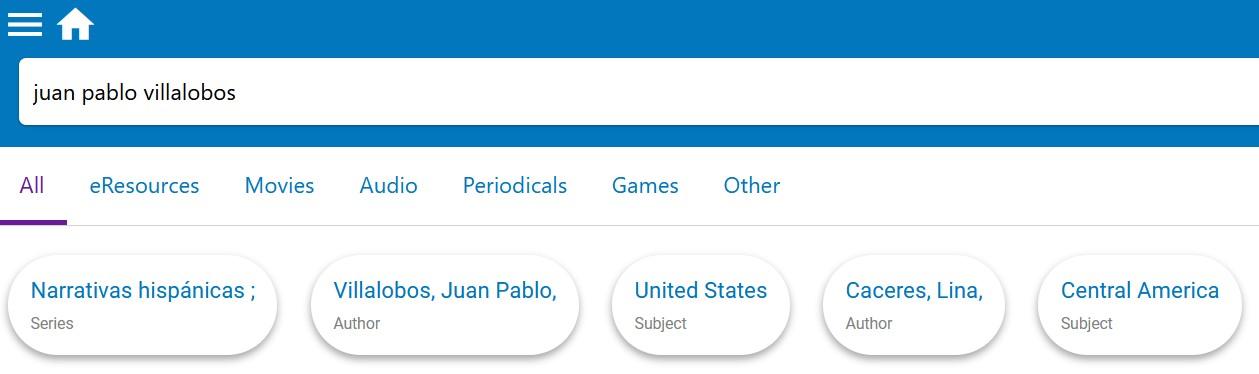
Learning how to use subject headings is the easiest way to get more out of your local library, and the best part is that it’s a transferable skill—as I mentioned earlier, libraries all across the United States use the same subject headings, so knowing how to search at one library makes you better at searching at other libraries. These search skills are also useful for using union catalogues like Mockingbird and WorldCat, which gather together records from many different libraries—Mockingbird is limited to libraries in Arkansas, while WorldCat is worldwide. These resources are helpful in locating books which The Rogers Public Library doesn’t have but can be requested from other libraries through our interlibrary loan service.
A final parting word: The Rogers Public Library has a lot of items, somewhere in the ballpark of 150,000, and while we do our best to make sure item records are robust and searchable, some of our older records are relatively sparse and may lack subject headings, summaries (which are very important for keyword searches), or both. Right now, there is an ongoing effort to improve these records as necessary to help our patrons better find materials for their needs.
Shelby S.